

The push for equal rights and equity remains an unending struggle in Kwale County, where calls for meaningful inclusion of young women in leadership continue to intensify.
For many advocates, the idea of placing young women in decision-making spaces is no longer viewed as a privilege extended by those in power, but as a fundamental right anchored in the Constitution and national gender policies.
In Kwale county, the presence of young women in key leadership organs remains worryingly low.
The persistent exclusion has raised concerns among gender advocates, who argue that having a woman at the helm does not automatically translate into broader representation unless deliberate steps are taken. The barriers range from deep-rooted cultural norms that discourage women from seeking leadership roles, to stereotypes that paint young women as inexperienced or unqualified.
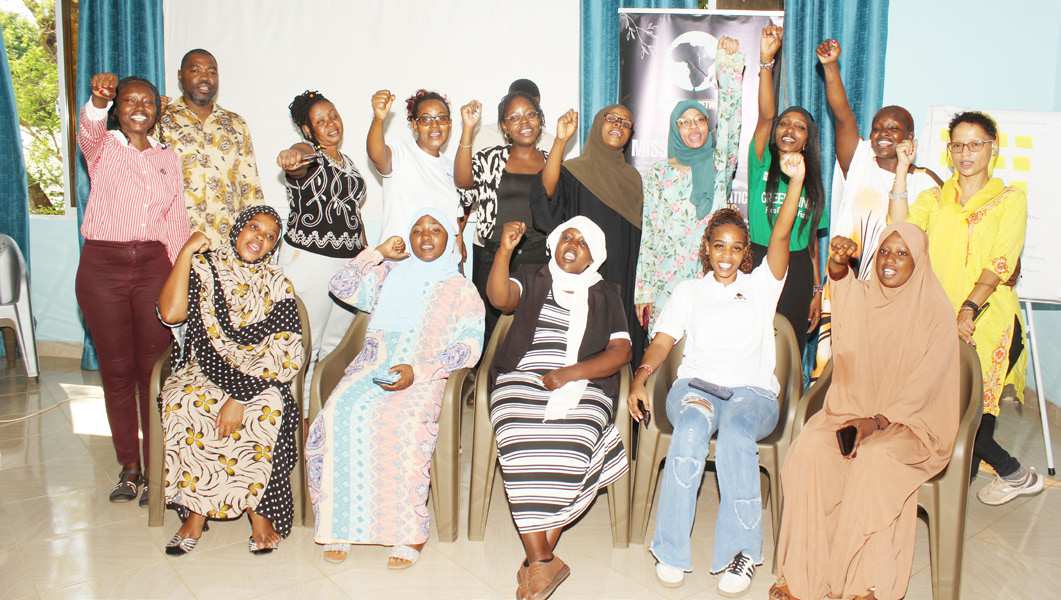
The mounting frustrations have pushed more than 400 young women, alongside community influencers, civil society actors and other key stakeholders, to draft a policy aimed at strengthening young women’s participation in leadership and decision-making spaces within Kwale County.
The collective effort is seen as a significant step toward institutionalising gender inclusion and ensuring that young women are not merely invited to the table, but are supported to actively influence decisions.
According to Peace Tree Network Communication Oicer Elizabeth Auma, the proposed policy seeks to dismantle the gender stereotypes, cultural expectations and patriarchal systems that consistently undermine women’s leadership and push for the implementation of the twothird gender policy.
“We examined the existing gender policies and identified the persistent gaps that continue to hinder women’s empowerment. From there, we made recommendations aimed at addressing those shortcomings and strengthening the overall framework,” she said.
Auma noted that the document outlines actionable strategies that can help shift public attitudes, build confidence among young women, and compel institutions to open their doors to more inclusive participation.
She said the policy brief calls for mentorship programs, leadership training, and structured pathways that prepare young women to step into influential roles across government and community structures.
Auma also highlighted the need for accountability mechanisms to track the progress of women’s representation in the county.
The policy also seeks to include religious leaders and cultural elders to create a conducive environment to women empowerment.
Convener of the Kwale Civil Society Consortium Fakii Omar said that advocates remain hopeful that Kwale County can serve as a model for the region by demonstrating what intentional, structured inclusion of young women in leadership can achieve.
Youth Affairs and Development Oicer for Matuga and Shimba hills subcounties, Martha Ndambuki, said the policy aims to create strong partnerships and provide avenues for lobbying that will strengthen young women’s participation in leadership.