

The passage of the Finance Bill 2026 may be remembered for the taxes it introduces and the economic debates it generated across the country.
Yet beyond the contents of the legislation itself, another issue emerged from Parliament that has sparked public discussion: the large number of lawmakers who were absent when the Bill came up for voting.
A Finance Bill is among the most signiicant pieces of legislation considered by the National Assembly each year. It determines how the government raises revenue and directly inluences taxation, public spending and the cost of living.
Decisions made during its consideration afect households, businesses and the broader economy, making parliamentary participation particularly important.
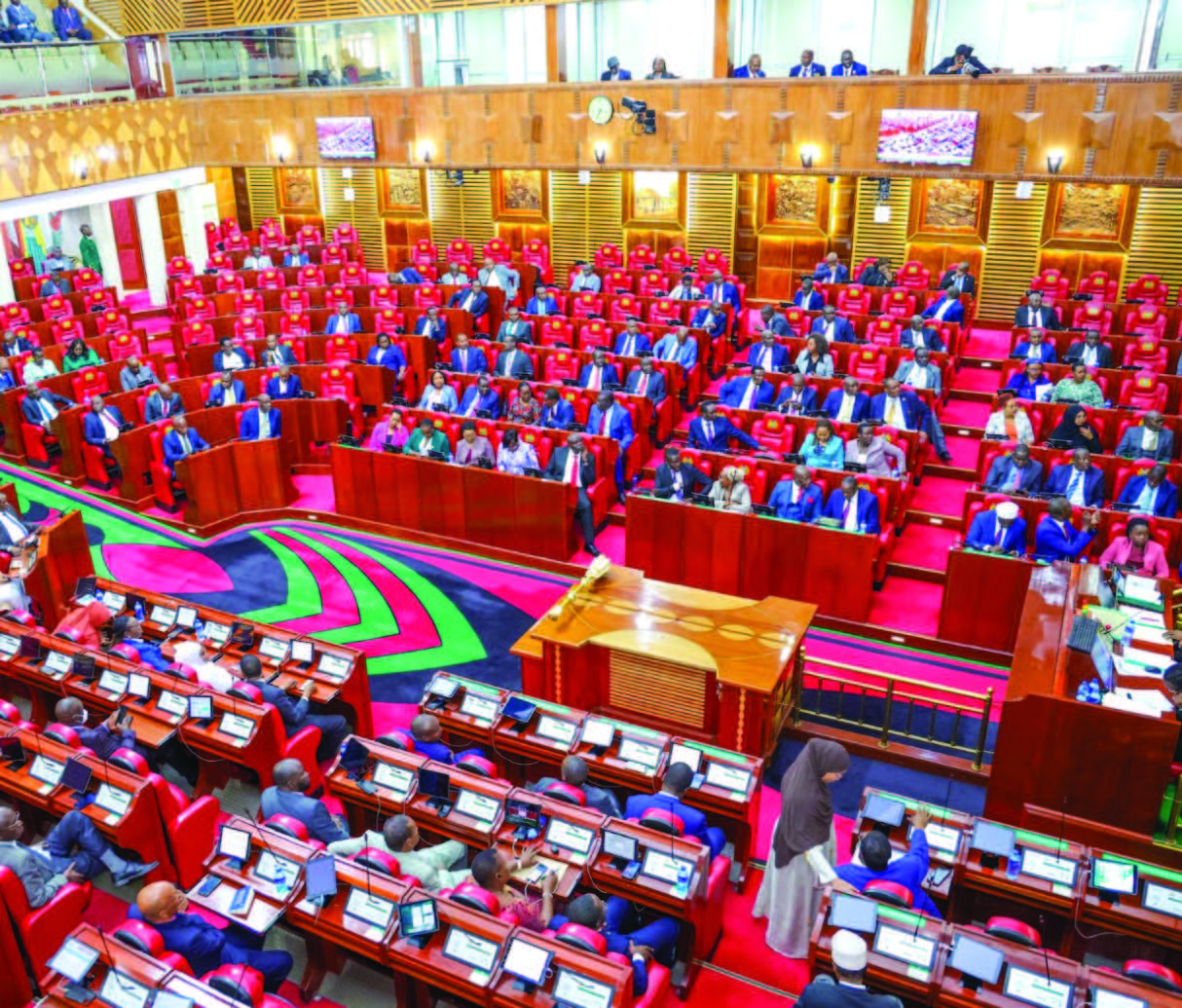
However when the vote was inally taken on Thursday, only 162 members of the National Assembly were present out of a total membership of 349. Of those who attended, 122 voted in favour of the bill while 40 opposed it.
The remaining 187 lawmakers- more than half- did not participate in the vote.The numbers immediately drew attention.
More MPs were absent than present, meaning that legislation afecting millions of Kenyans was decided by less than half of the House. While the Bill met the constitutional requirements necessary for passage, the scale of absenteeism raised questions about representation and accountability.
Political consequences
Parliament derives its authority from the electorate. Citizens send representatives to the National Assembly to debate policies, scrutinise government proposals and make decisions on their behalf.
Voting on major legislation is among the clearest expressions of that responsibility.
For many observers, the absence of more than half the House during such a consequential vote appeared diicult to reconcile with that mandate.
The debate surrounding the absenteeism cannot be separated from recent political history. Memories of the Finance Bill 2024 remain fresh in the minds of many Kenyans and lawmakers alike. The Bill triggered widespread public opposition, particularly among young people, culminating in demonstrations that became one of the most signiicant political moments in recent years.
The protests transformed the relationship between citizens and elected leaders.
Many MPs who supported the 2024 bill faced intense criticism from constituents and online communities. Some found themselves defending their decisions long after the vote. The political consequences served as a lesson to legislators about the risks associated with being publicly linked to unpopular tax measures.
Against that backdrop, the Finance Bill 2026 arrived in an environment shapedby caution and political calculation. With the next general election approaching, lawmakers are increasingly aware that every parliamentary decision may become campaign material. A vote supporting a tax-related Bill could attract criticism from voters struggling with economic pressures. On the other hand, opposing government-backed legislation may create tensions within political alliances and party structures.
For some legislators, absence may have appeared to ofer a safer path than taking a public position. By avoiding the chamber altogether, they escaped immediate scrutiny over how they voted. Such a choice allows room for diferent political interpretations depending on the audience being addressed later.
Yet while that strategy may provide short-term political protection, it also raises broader questions about the purpose of representation. Democracy requires elected leaders not only to enjoy the privileges of oice but also to make decisions when diicult choices arise.
Representatives are expected to weigh competing interests, examine legislation and exercise judgment on behalf of citizens.
Avoiding participation in a major vote may therefore be viewed by critics as a failure to perform one of the central functions of elected office.
The Finance Bill is not a routine administrative measure. It provides the framework through which the government raises funds to inance public services and development programmes.
Decisions concerning taxation inluence consumer spending, investment and economic activity across the country. Given those implications, public expectations regarding attendance are naturally higher.
Political analyst and lawyer Willis Otieno captured this concern when he questioned the logic of leaders claiming solidarity with citizens while failing to appear in Parliament and cast a vote against measures they believe the public opposes.
“How does an MP claim to stand with the people while failing to appear in Parliament and cast a ‘No’ vote when the people most urgently require one?” he said.
Whether the missing MPs stayed away because of political caution, competing commitments or strategic calculations, the outcome remains the same: a signiicant portion of Parliament did not take part in one of the most consequential votes of the legislative calendar.
As attention shifts from the Finance Bill itself to the next electoral cycle, voters may increasingly examine not only what their representatives said but also whether they showed up when key decisions were made.
Campaign rallies, development launches and public meetings provide opportunities for politicians to reconnect with constituents, but parliamentary attendance ofers one of the clearest measures of legislative performance.
‘I VOTE, ABSENT...’
Only 162 members of the National Assembly were present out of a total membership of 349.Of those who attended, 122 voted in favour of the bill while 40 opposed it
While the Bill met the constitutional requirements necessary for passage, the scale of absenteeism raised questions about representation and accountability